How Green Coffee Gets Evaluated Before It's Roasted
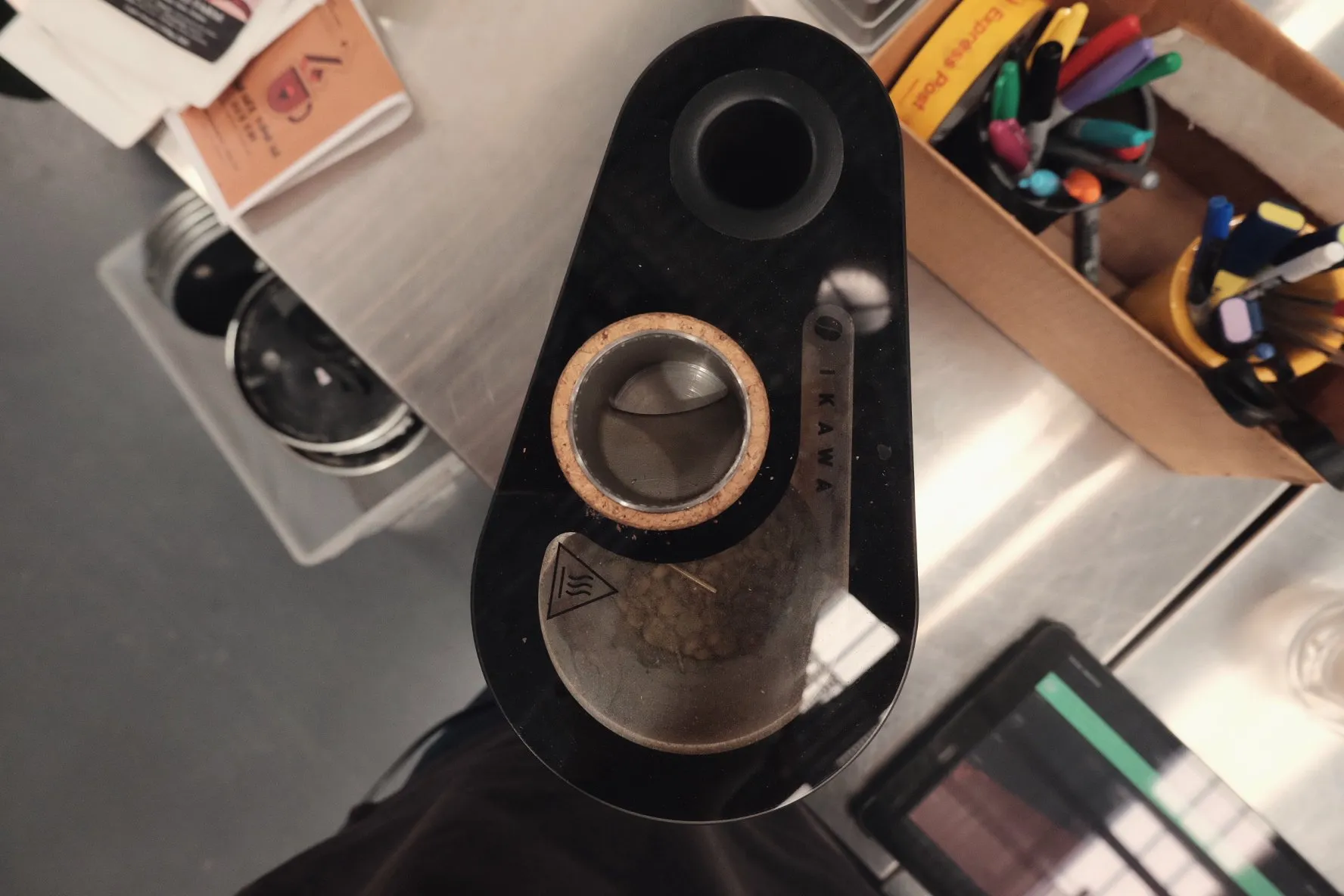
Before a roastery buys a coffee, someone has to taste it — and before they taste it, someone has to weigh it, roast a tiny sample batch, grind it, and line it up with all the other candidates. This is what that morning looks like.
The samples
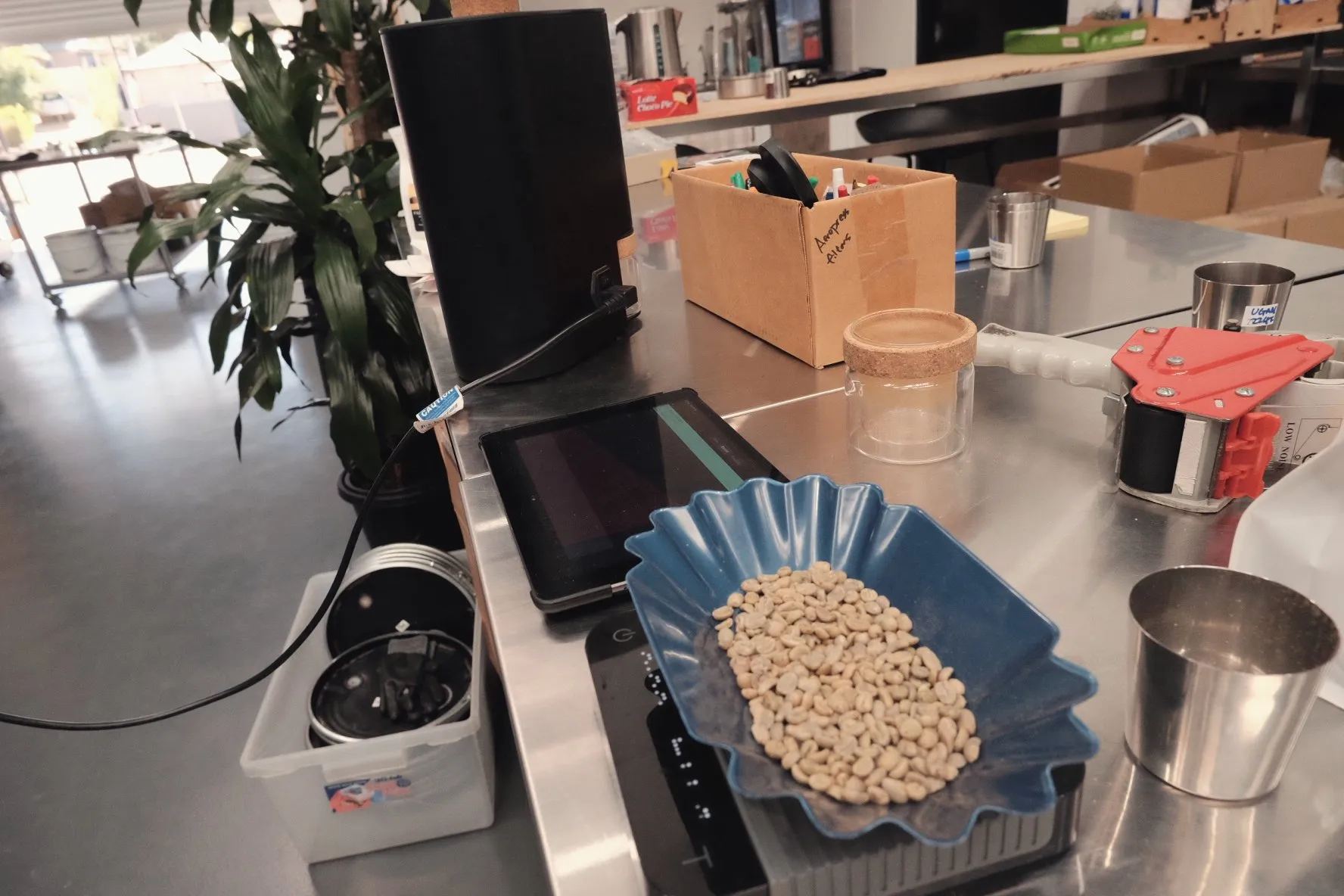
Green samples arrive in small bags from importers and farms. Each gets weighed out to the gram — consistency matters, because you’re not comparing “which tastes nice,” you’re comparing coffees against each other.
The warehouse behind the lab
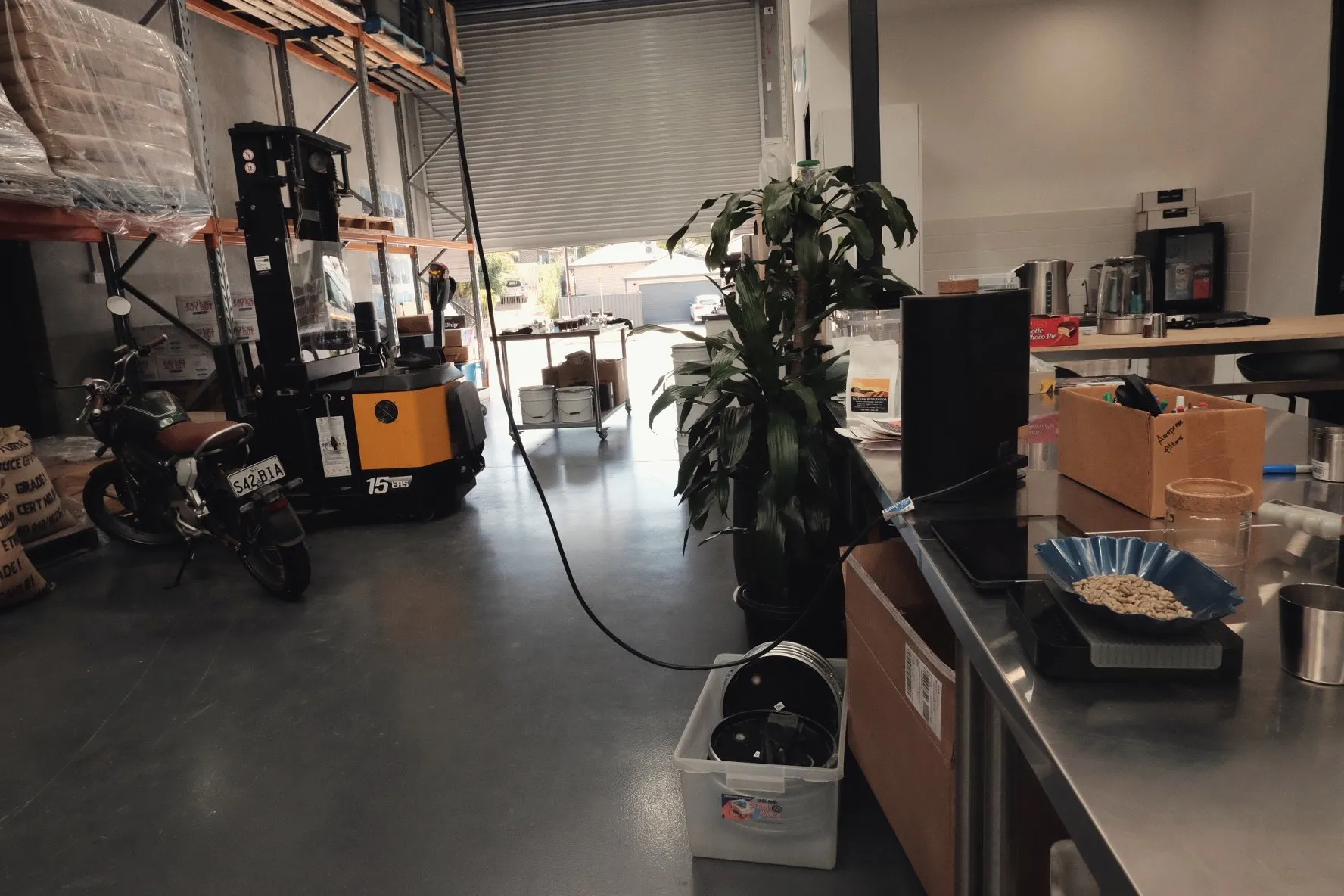
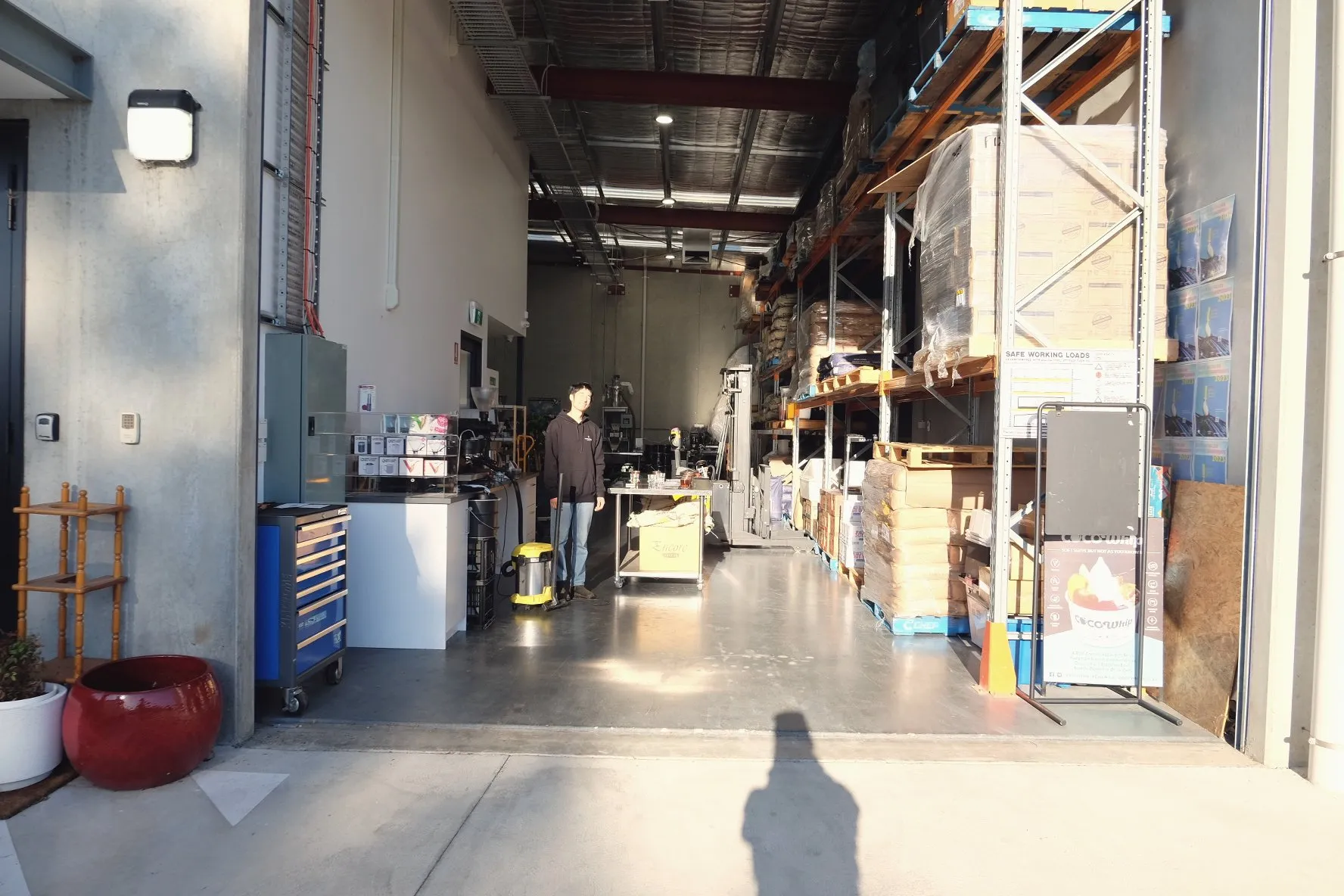
Roasteries live in warehouses for a reason — sacks take space, and so does the equipment. The lab is the quiet corner of a much louder building.
The tasting
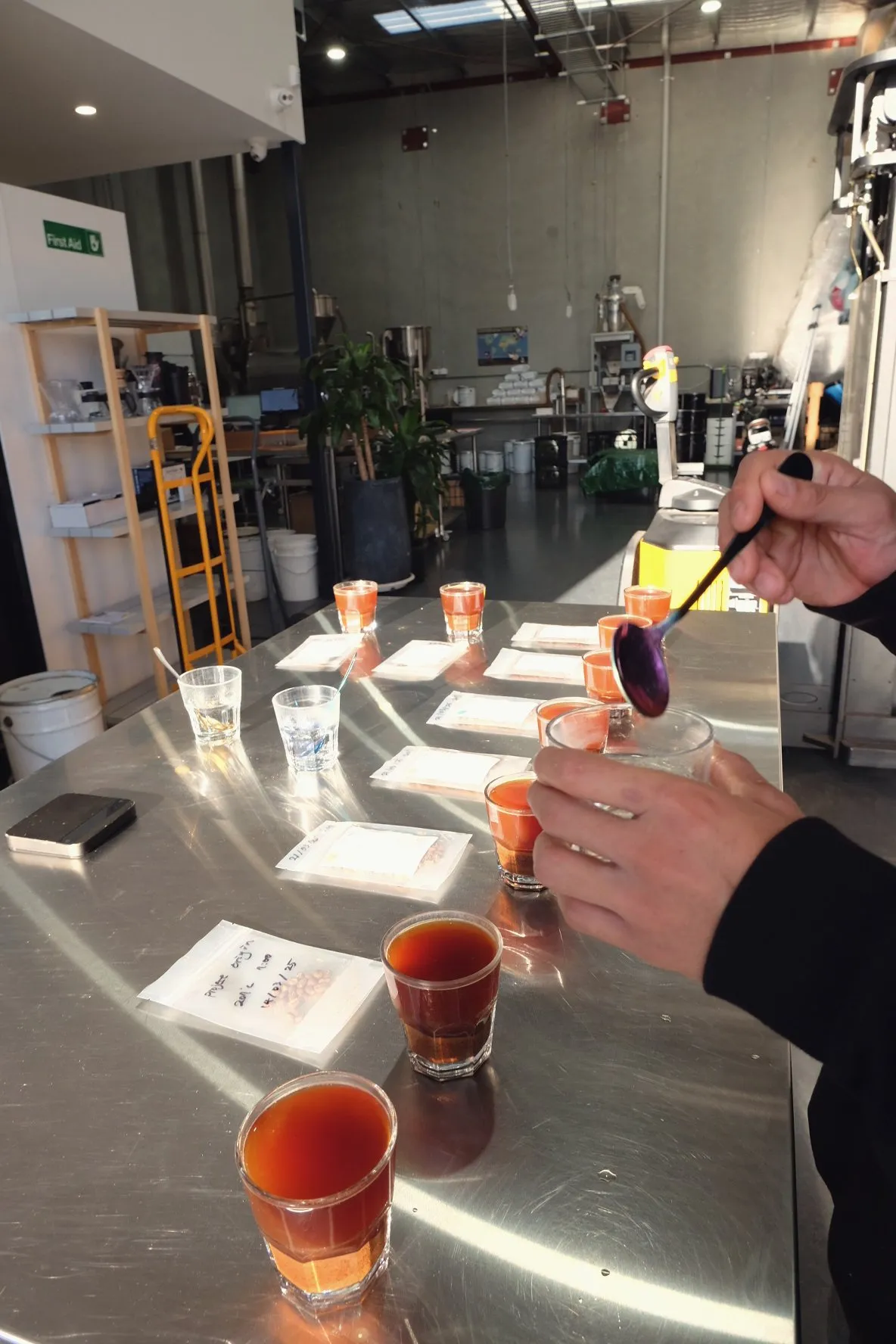
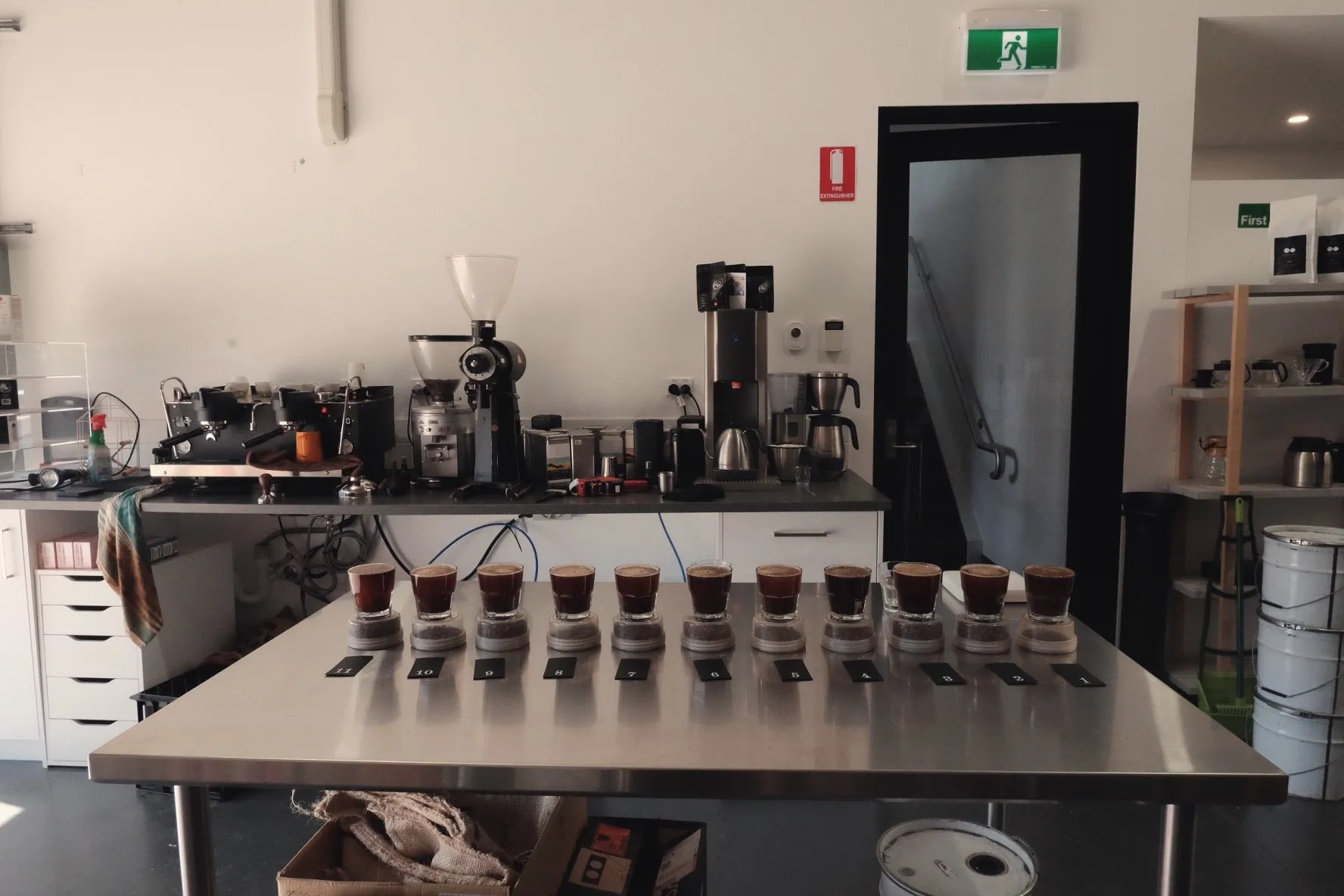
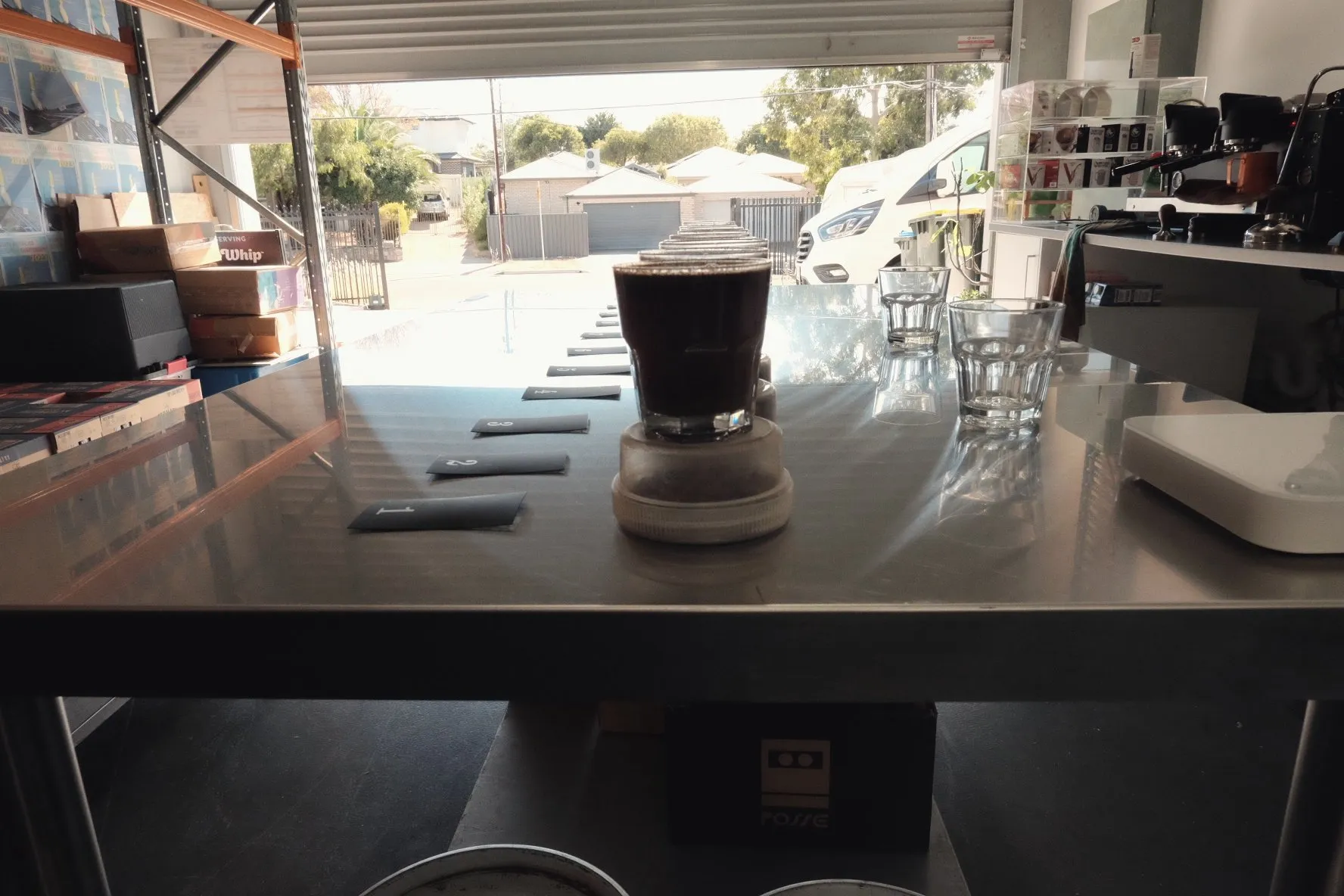
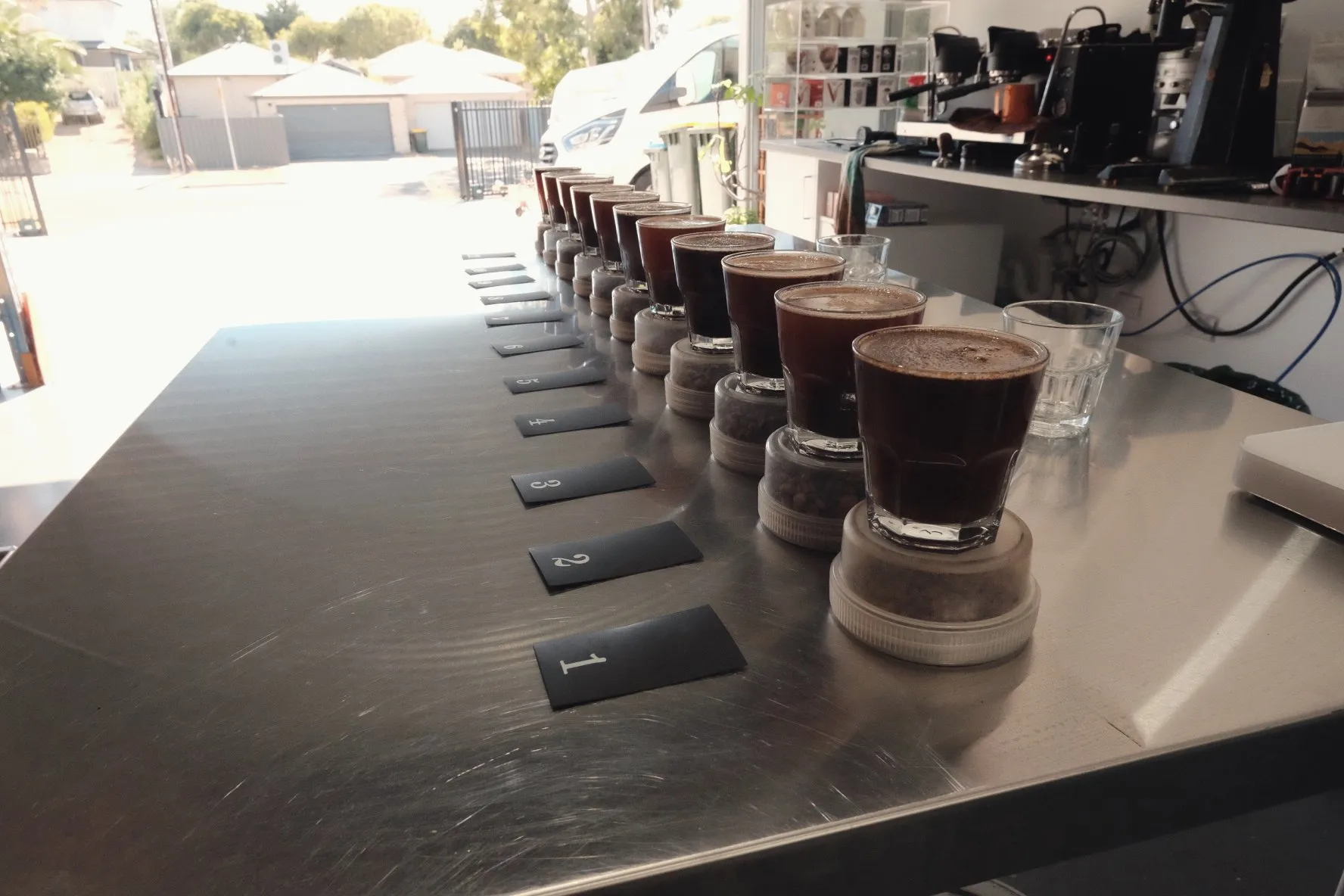
Then the same ritual as always — rows of glasses, spoons, loud slurping. The difference is what’s at stake: this table decides which pallets of green coffee the roastery commits to for the season. A quiet morning with outsized consequences.
What happens after the buying decision: inside the roastery itself.